
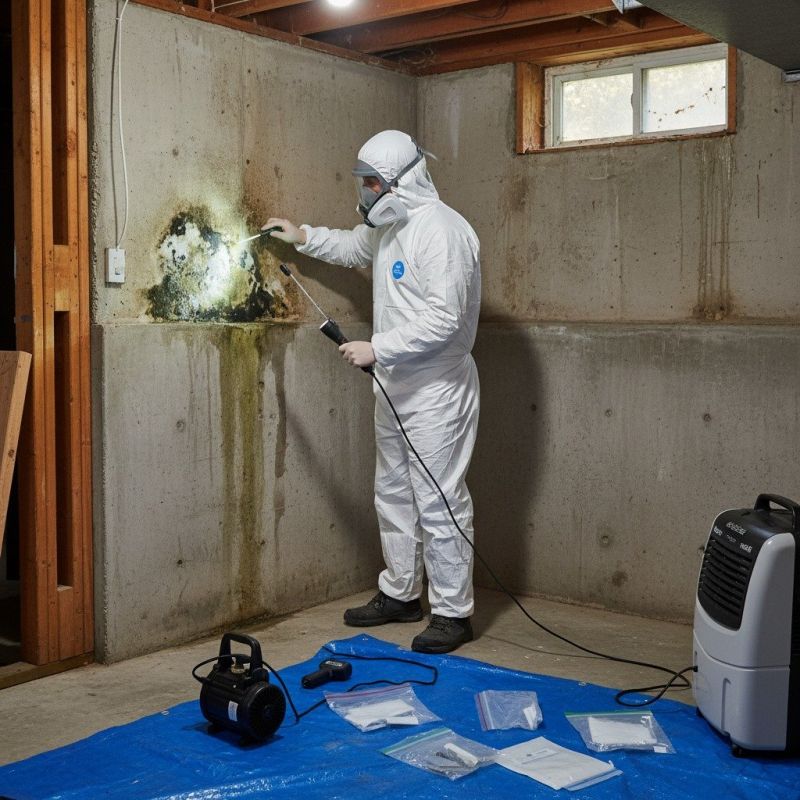
Mold Inspection And Removal in Bergen County, NJ
Mold inspection and removal services are designed to identify and eliminate mold growth in residential properties. These services typically involve thorough assessments of areas prone to moisture, such as basements, bathrooms, and attics, to detect hidden mold that may not be immediately visible. Property owners often request mold inspections when they notice signs like a musty odor, visible mold patches, or health symptoms linked to mold exposure. Removal services focus on safely eliminating mold colonies and addressing underlying moisture issues to prevent future growth, helping to improve indoor air quality and protect the property’s integrity.
Before requesting mold inspection and removal, homeowners usually want to understand the scope of the assessment, the methods used to detect mold, and the steps involved in the removal process. It’s also common to inquire about any necessary repairs or moisture control measures needed to prevent mold from returning. Being informed about these aspects can help property owners make well-informed decisions about maintaining a healthy living environment and ensuring the longevity of their home.
Many property owners in Bergen County, NJ look into Mold Inspection And Removal for repairs, replacements, upgrades, and appearance-related improvements.
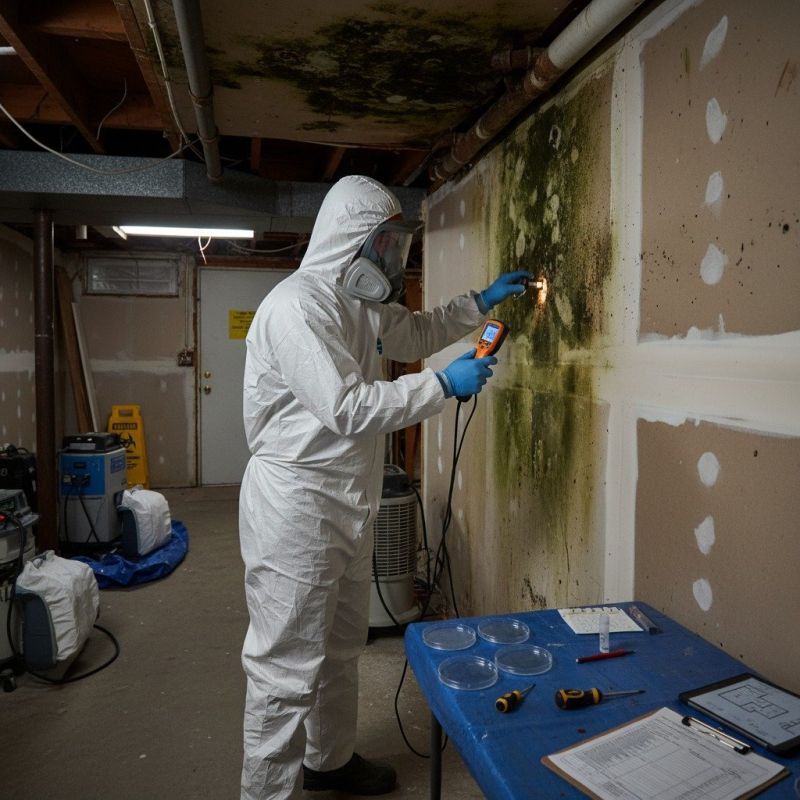
Identifying Mold Issues
Comprehensive inspections help detect hidden mold growth inside walls, basements, and attics in bergen county homes.
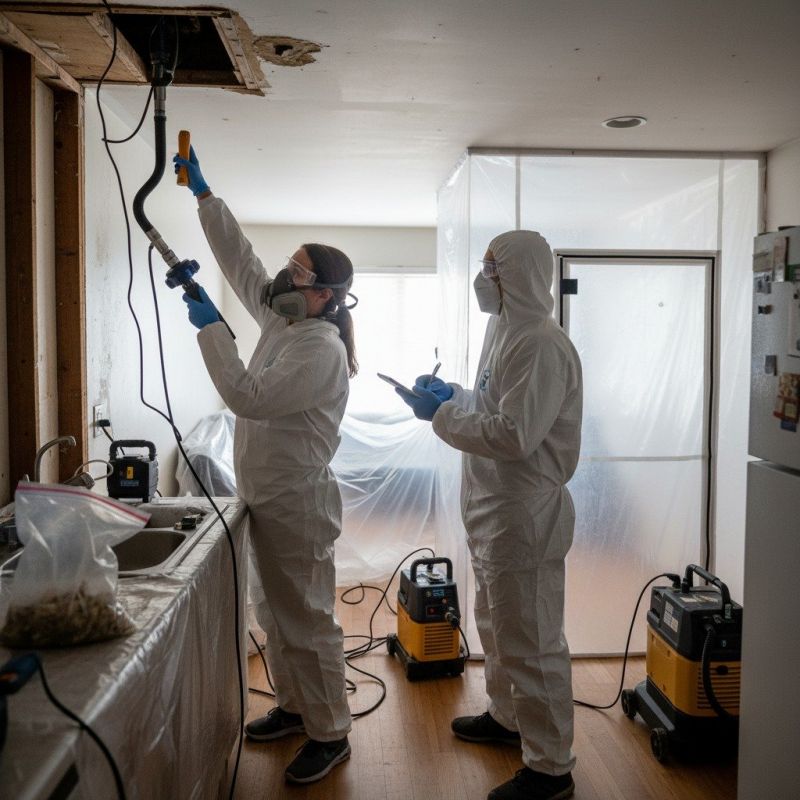
Effective Mold Removal
Professional removal services ensure mold is safely eliminated from affected areas to protect property and health.
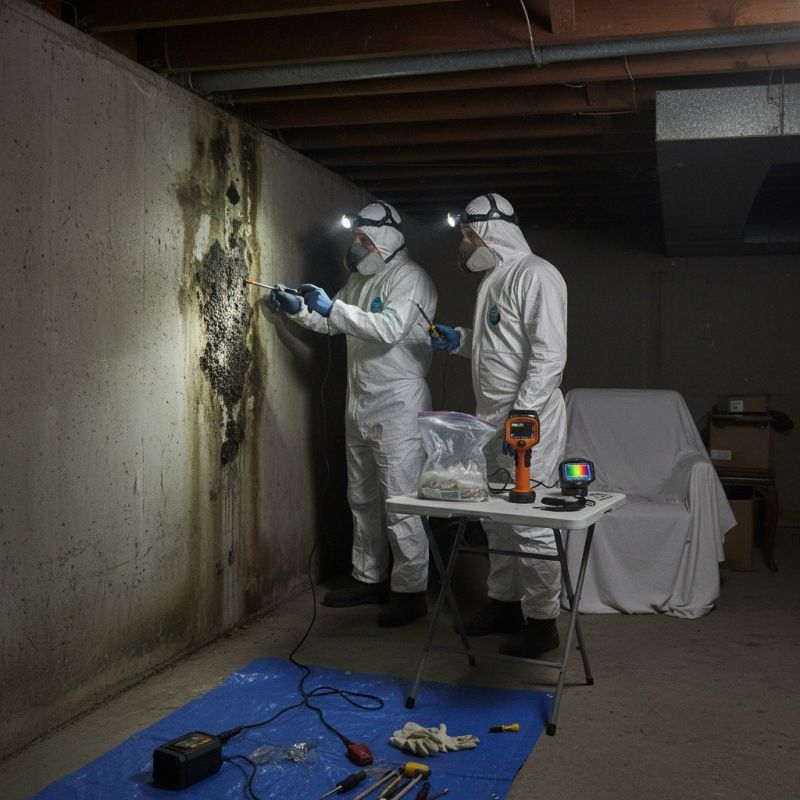
Preventing Future Mold Growth
Expert advice and remediation can reduce moisture problems and prevent mold from returning in bergen county properties.
Mold Inspection And Removal in Bergen County, NJ
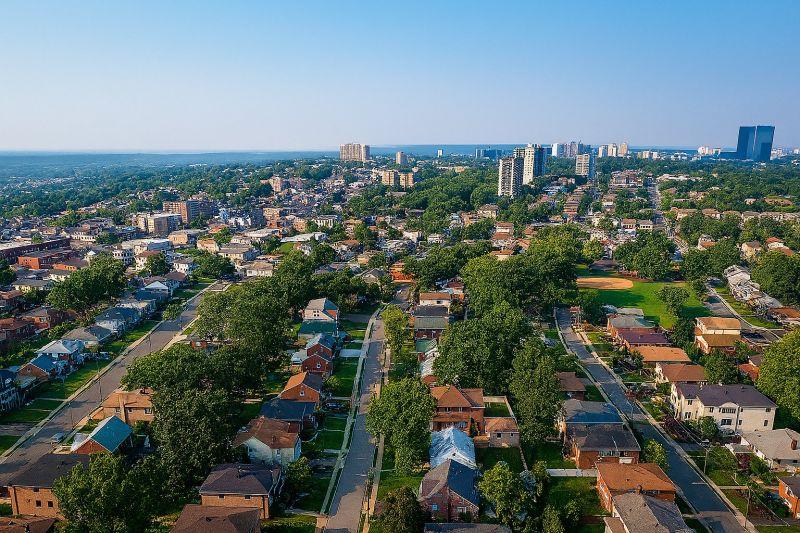
Mold inspection and removal services are designed to identify and eliminate mold growth in residential properties. These services typically involve thorough assessments of areas prone to moisture, such as basements, bathrooms, and attics, to detect hidden mold that may not be immediately visible. Property owners often request mold inspections when they notice signs like a musty odor, visible mold patches, or health symptoms linked to mold exposure. Removal services focus on safely eliminating mold colonies and addressing underlying moisture issues to prevent future growth, helping to improve indoor air quality and protect the property’s integrity.
Before requesting mold inspection and removal, homeowners usually want to understand the scope of the assessment, the methods used to detect mold, and the steps involved in the removal process. It’s also common to inquire about any necessary repairs or moisture control measures needed to prevent mold from returning. Being informed about these aspects can help property owners make well-informed decisions about maintaining a healthy living environment and ensuring the longevity of their home.
Many property owners in Bergen County, NJ look into Mold Inspection And Removal for repairs, replacements, upgrades, and appearance-related improvements.
Common Mold Inspection And Removal Jobs
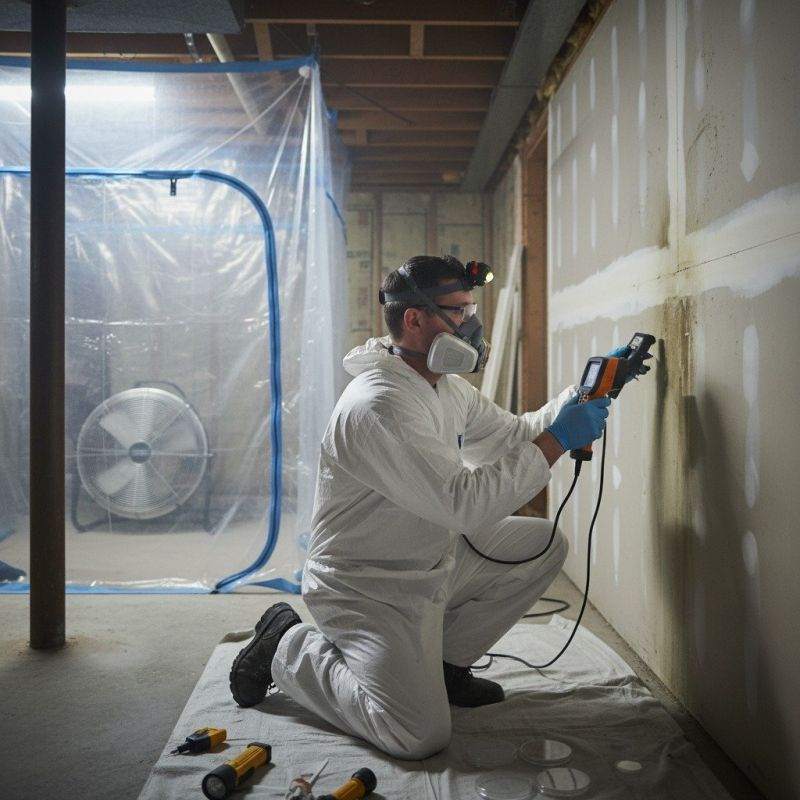
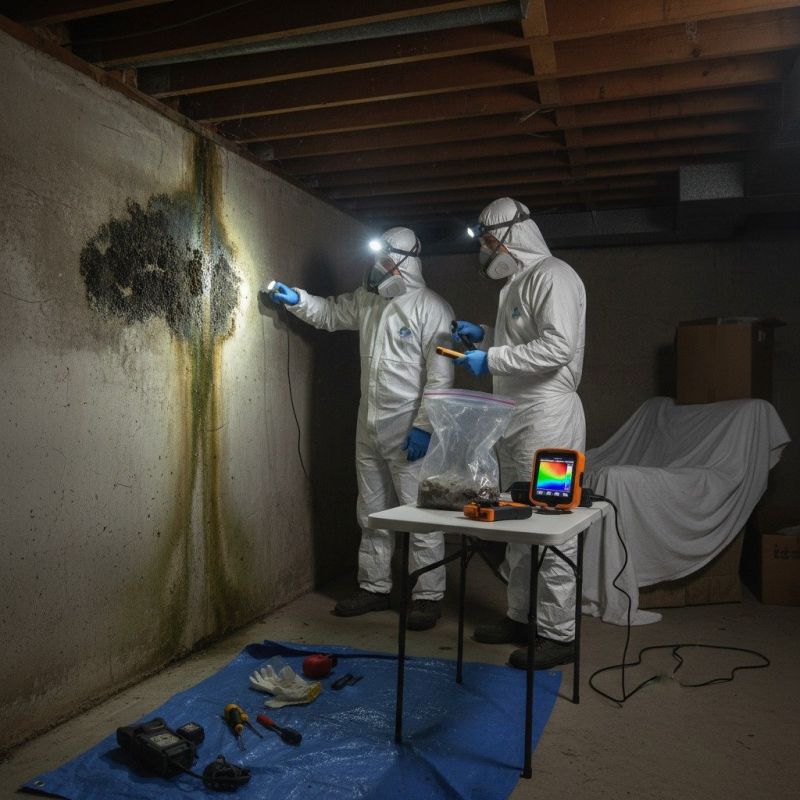
Mold inspection services identify the presence and extent of mold growth inside residential and commercial properties.
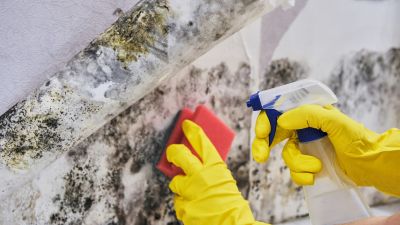
Mold removal services eliminate visible mold and contaminated materials to improve indoor air quality.
Moisture assessment detects underlying leaks and humidity issues that contribute to mold development.
Air quality testing measures mold spores and airborne contaminants to assess indoor environmental health.
Post-removal clearance testing confirms that mold levels are safe after remediation efforts.
Preventive treatments help reduce future mold growth by addressing moisture and ventilation concerns.
Mold Inspection And Removal Questions
What is involved in a mold inspection? A mold inspection typically includes a visual assessment of the property and may involve moisture measurements to identify areas prone to mold growth.
How does mold removal work? Mold removal involves cleaning affected surfaces and materials to eliminate mold colonies and prevent future growth.
What areas are commonly affected by mold? Mold often develops in damp areas such as bathrooms, basements, attics, and around leaks or water intrusion points.
Why is it important to address mold issues promptly? Addressing mold early helps prevent health problems and avoids damage to the property’s structure and finishes.
Request Mold Inspection And Removal in Bergen County, NJ
Use the quote form on this page to share the basics of your project and request more information for the type of work you need.