
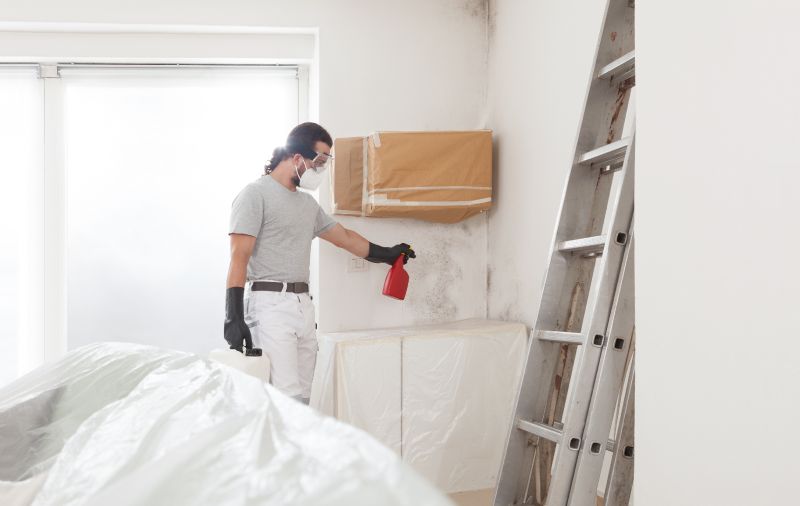
Crawlspace Mold Remediation in Essex County, NJ
Crawlspace mold remediation involves the removal and cleaning of mold growth that occurs beneath a home, typically in the area known as the crawlspace. This service addresses issues caused by excess moisture, poor ventilation, or water intrusion, which can lead to mold development on wooden beams, insulation, and other materials. Projects often include mold inspection, containment to prevent spread, removal of contaminated materials, and thorough cleaning to eliminate mold spores. Property owners usually want to understand the scope of the mold problem, the materials affected, and the steps involved in safely restoring a healthy environment beneath the home.
Before requesting crawlspace mold remediation, homeowners should consider the extent of visible mold growth and whether there are any associated odors or moisture issues. It’s important to identify if water leaks, high humidity, or poor drainage may be contributing to mold development. Understanding these factors can help determine the necessary repairs or improvements to prevent future mold growth. Additionally, property owners often seek clarity on the remediation process, including safety measures and the timeline for completing the work.
Many property owners in Essex County, NJ look into Crawlspace Mold Remediation for repairs, replacements, upgrades, and appearance-related improvements.
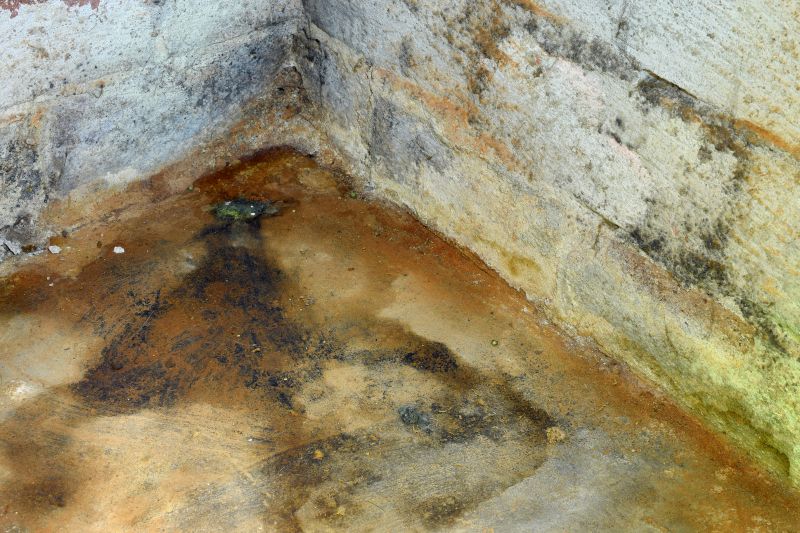
Identifying Mold In Crawlspaces
Detecting mold growth in crawlspaces helps prevent health issues and property damage.
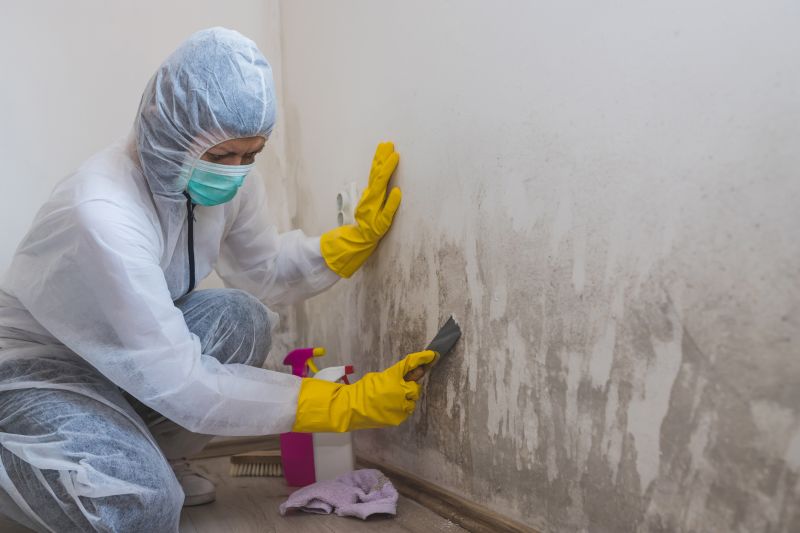
Remediation And Cleanup
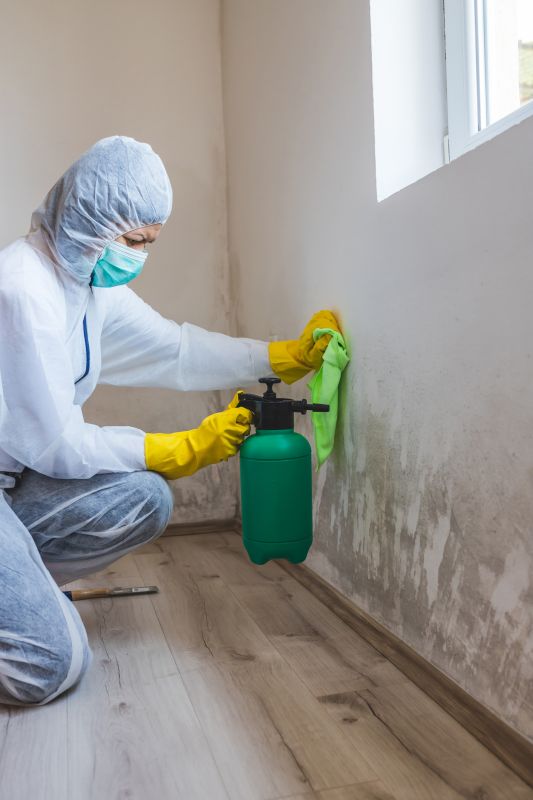
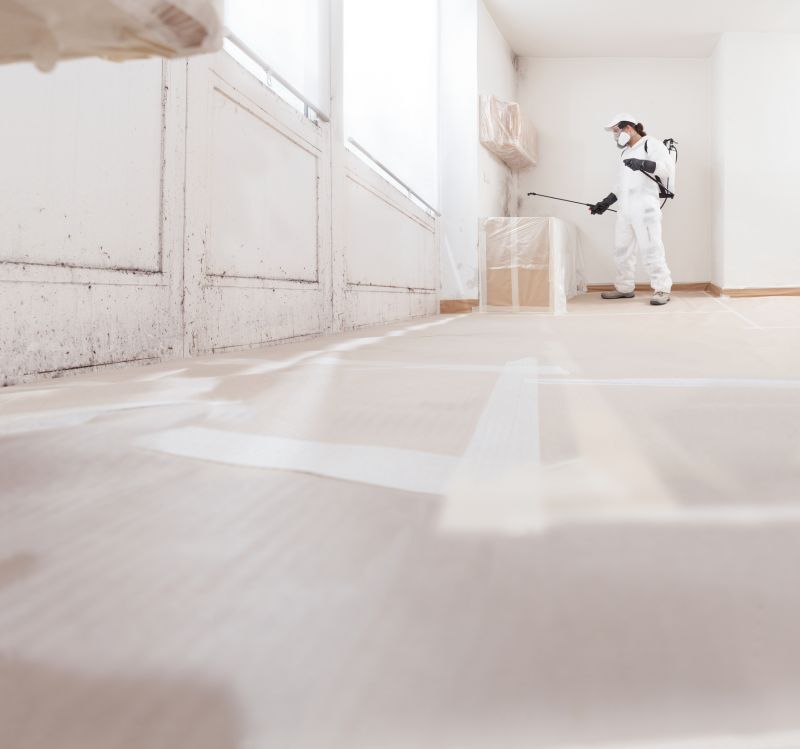
Professional mold removal restores air quality and protects the structural integrity of homes.
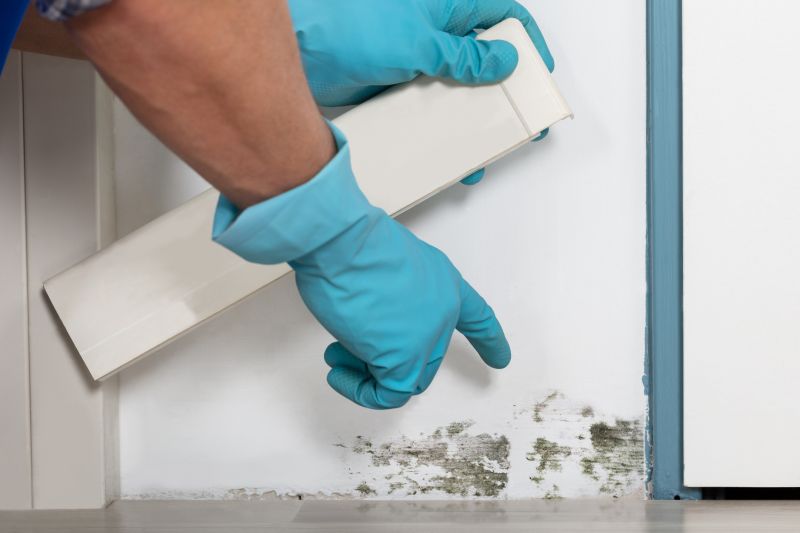
Preventative Solutions
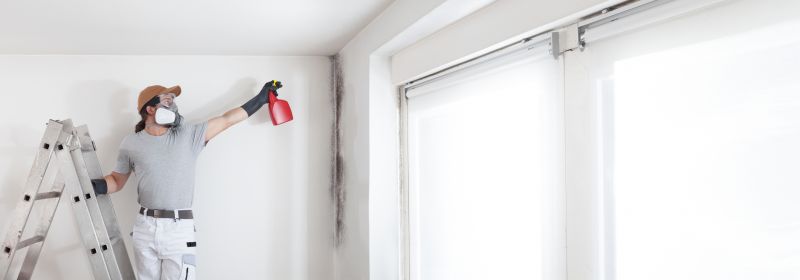
Sealing and moisture control measures reduce the risk of mold returning in essex county properties.
Crawlspace Mold Remediation in Essex County, NJ
Crawlspace mold remediation involves the removal and cleaning of mold growth that occurs beneath a home, typically in the area known as the crawlspace. This service addresses issues caused by excess moisture, poor ventilation, or water intrusion, which can lead to mold development on wooden beams, insulation, and other materials. Projects often include mold inspection, containment to prevent spread, removal of contaminated materials, and thorough cleaning to eliminate mold spores. Property owners usually want to understand the scope of the mold problem, the materials affected, and the steps involved in safely restoring a healthy environment beneath the home.
Before requesting crawlspace mold remediation, homeowners should consider the extent of visible mold growth and whether there are any associated odors or moisture issues. It’s important to identify if water leaks, high humidity, or poor drainage may be contributing to mold development. Understanding these factors can help determine the necessary repairs or improvements to prevent future mold growth. Additionally, property owners often seek clarity on the remediation process, including safety measures and the timeline for completing the work.
Many property owners in Essex County, NJ look into Crawlspace Mold Remediation for repairs, replacements, upgrades, and appearance-related improvements.
Common Crawlspace Mold Remediation Jobs
Crawlspace Mold Removal - eliminates mold growth to improve indoor air quality and prevent structural damage.
Mold Damage Cleanup - thoroughly removes mold spores and contaminated materials from affected areas.
Moisture Control - addresses excess humidity and leaks that contribute to mold development.
Dehumidification Services - reduces moisture levels in the crawlspace to inhibit mold growth.
Insulation Removal & Replacement - replaces mold-affected insulation to restore energy efficiency and safety.
Preventative Treatment - applies mold inhibitors to help prevent future mold growth in the crawlspace.
Crawlspace Mold Remediation Questions
What causes mold to grow in a crawlspace? Mold can develop in crawlspaces due to excess moisture, poor ventilation, and high humidity levels that create a suitable environment for mold spores to thrive.
How can mold in a crawlspace affect a home? Mold can lead to musty odors, structural damage, and potential health issues for occupants, especially if spores spread into living areas.
What are common signs of crawlspace mold? Signs include visible mold growth, persistent musty smells, and increased humidity or moisture problems in the home.
What steps are involved in mold remediation in a crawlspace? The process typically includes moisture control, mold removal, and addressing any underlying issues to prevent future growth.
Request Crawlspace Mold Remediation in Essex County, NJ
Use the quote form on this page to share the basics of your project and request more information for the type of work you need.